battery charger cases dr
battery charger cases dr
But whatever their size or shape, there is no denying the fact that in 2018 notches became an integral part of smartphone design. Re firm Counterpoint had anticipated that over 300 million smartphones with “notch displays” will be sold by end of 2018. By the end of the year, the notch has ended up in phones priced even under Rs 10,000. The trend of a cutout at the top of the smartphone display was started by Essential with its Phone PH-1 in May 2017. However, it was Apple which made the notched display “mainstream” with the iPhone X, launched towards the end of last year. Now, almost every manufacturer offers smartphones with the notch.

The notch is a design compromise, not a marketing tool When Apple chose to add the notch over the iPhone X’s display, criticism came from every corner. Some even called it a marketing stunt, but you know that’s not true. In the introduction video of the iPhone X, Apple’s Jonathan Ive described the device as part of the decade-long goal of creating an “iPhone that is all-display”. Simply put, there was no other way in front of Apple but to include the notch in order to create an edge-to-edge screen on the iPhone X. Ive is right.
Painless Secrets For smartphone - A Closer Look - battery charger cases dr
Apple is not glorifying the notch, unlike other brands. The notch is a clear design flaw and let’s admit it. But the notch on the iPhone X serves some purpose, at least. The notch houses the phone’s top earpiece speaker and the camera and sensors needed for Face ID. The notch on the Pixel 3 XL is narrower than the one seen on the iPhone XS. Others simply copied the iPhone X notch without adding the FaceID functionality. Take the case of Google Pixel 3 XL. Notches allowed all the sensors and the front-facing camera to house at the top of the device, so that the bezels can shrink further. But, the Pixel 3 XL appears to be odd from a design point of view.
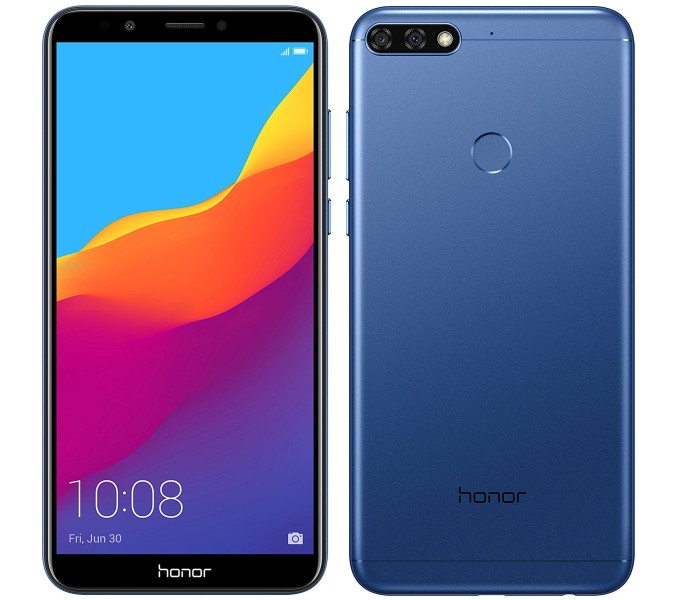
Not only does it have a large notch, but a huge bottom bezel as well. The rationale behind the notch seems unrealistic. The notch gets the mainstream status Whether you like it or not, the notch has now become an industry trend. This entire past year, we saw hundreds of phones that had the notched display. Asus, Huawei, Oppo, Vivo, Honor, Xiaomi, LG and other brands flooded the market with phones having a small notch in the screen.
battery charger cases dr - Effortless buy phones Advice Around The Usa
The notch on the Huawei P20 Pro is small in size, accommodating an earpiece and the front-facing camera. At MWC 2018, Asus launched the ZenFone 5Z and the ZenFone 5. The two phones offer all-screen displays with a 90 per cent screen-to-body ratio. Both featured notched displays. A few months later we saw the Huawei P20 and P20 Pro. The premium, camera-centric smartphones were pitched as rivals to the iPhone X and Galaxy S9. Once again they had notched displays, though the notch was smaller in size. During the middle of the year, OnePlus 6 and LG G7 ThinQ made their debut.
Both had the notches, but they were not as deep or wide as the iPhone notch. Things veered to a different path when Oppo introduced its F9 smartphone with a waterdrop-stye notch design. Rather than blatantly copying the iPhone X, Oppo opted for an unusual notch design.
It’s small, rounded cut-out that gave the impression that there was no notch in the screen. OnePlus 6T employs a much smaller notch over its display. Vivo and OnePlus too launched a number of smartphones with a waterdrop-style notch design.
OnePlus 6T, Oppo R17, and Vivo V11 Pro all feature the same style of the notch. Also read : OnePlus 6T review The year of wild experimentation Soon manufacturers realised that they had to come out with phones with edge-to-edge displays, but without a screen notch.
Comments
Post a Comment